Describe the Different Respiratory Organs That Are Used by Arthropods
Centralised respiratory organs must be irrigated with haemolymph and require an oxygen transporter haemocyanin in the arthropods to maintain a. Morphometric partitioning of the lungs and tracheae in Salticus scenicus.
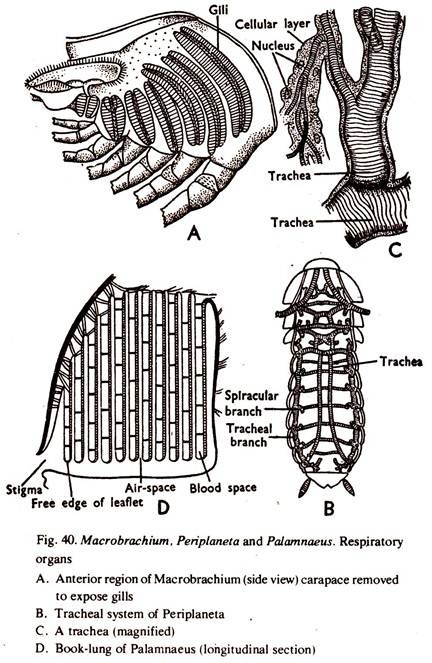
Respiratory System In Various Arthropods
These folds are richly supplied with blood.

. Book lungs are sac like structures within which there are delicate folds that are arranged like the leaves of a book. 3-they have very large surface area types of respiratory structure. The conchae meatuses and paranasal sinuses are lined by respiratory epithelium composed of pseudostratified ciliated columnar epithelium Figure 2214.
We review their content and use your feedback to keep the quality high. Skin and Mantle as Respiratory Organs. The different organs of the respiratory system are nose pharynx epiglottis larynx trachea bronchi and lungs.
In some arthropods the tracheal tubes are bathed by blood but in insects the minute terminal endings tracheoles are embedded in the tissues even within muscle cells. The gills of crustaceans are filamentous structures that exchange gases with the surrounding water. They have tiny tubes that permit passage of gases into the interior of the body.
Skin appears to be the simplest type of respiratory structure encountered in Molluscs. Book lungs are made up of stacks of folded tissue that have a large. The tracheal system the most direct and efficient respiratory system in active animals has tubes made of a polymeric material called chitin.
An olfactory epithelium used to detect odors is found deeper in the nasal cavity. Scorpion Scorpion breathes air through four pairs of book lungs or pulmonary sacs that open to the outside through four pairs of stigmata on the ventral side of mesosoma. The epithelium contains goblet cells one of the specialized columnar epithelial cells that produce mucus to trap debris.
Arthropods have tracheae and book lungs as respiratory organs. The system is similar to that of annelid worms from which arthropods may have evolvedThe neuromuscular organization of arthropods is quite different. The tracheal system is the most direct and efficient respiratory system in active animals.
Groups of arthropods also differ in the organs used for excretion. The tubes in the tracheal system are made of a polymeric material called chitin. Terrestrial arthropods possess tracheae and book lungs as respiratory organs.
Small openings on the sides of the body through which air enters and leaves the tracheal tubes. Layers of respiratory tissue stacked like the pages of a book through which spiders breathe. The process of respiration is classified as aerobic and anaerobic.
Tracheae are a system of tiny tubes that permit passage of gases into the interior of the body. The most common respiratory pigment in arthropods is copper-based hemocyanin. The respiratory complementarity of spider book lung and tracheal systems and Bimodal breathing in jumping spiders.
3 general characteristic features of all respiratory organs- 1-usually all respiratory organ have thin membranes to facilitate exchange of gases. Pseudotracheae or air tubes. 2- they have abandon supply of blood.
Such type of respiratory organ is found in Cenia Limapontid parasitic Entoconcha etc. The aerial respiration takes place in terrestrial arthropods. Insects have a highly-specialized type of respiratory system called the tracheal system which consists of a network of small tubes that carries oxygen to the entire body.
Their respiratory system depends on their environment and the subphylum they belong to. In order to grow the arthropod must shed the exoskeleton. Fluid is also brought back to the heart via the lymphatic system.
The point is that the haemolymph supply to book gills Xiphosura and book lungs Tetrapulmonata Scorpiones ie. RESPIRATORY ORGANS OF ARACHNIDS eg. It acts as a respiratory organ in certain forms where there is no special respiratory device.
Some terrestrial arthropods such as spiders and scorpions have book lungs to breath gaseous oxygen from the air. These organs carry out the process of respiration. View the full answer.
The arthropod nervous system consists of a dorsal brain and a ventral ganglionated longitudinal nerve cord primitively paired from which lateral nerves extend in each segment. And arthropods also have these though they evolved separately. This is used by many crustaceans and a few centipedes.
The tracheal tubes but not. The major veins drain blood from the same organs and limbs that the major arteries supply. Network of branching tubes through which arthropods respire.
Aquatic arthropods respire using gills that absorb oxygen from water. Up to 24 cash back The Arthropoda is a phylum consists of invertebrate animals with an external skeleton and a segmented body. Aquatic crustaceans use gills arachnids employ book lungs.
The structure of the different types of blood vessels reflects their function or layers. They need a respiratory system to get oxygen to cells and get rid of waste gases and a digestive system to process food and get rid of wastes. Insects have a highly specialized type of respiratory system called the tracheal system which consists of a network of small tubes that carries oxygen to the entire body.
A few crustaceans and insects use iron-based hemoglobin the respiratory pigment used by vertebrates. Pulmonate arachnids is more or less the same since they both represent centralised respiratory organs. The organs for respiration are the following.
Respiratory systems vary depending on the group of arthropod. We have eyes ears mouths and senses of touch and taste plus a nervous system to coordinate all the information and send and receive messages to the body. Spiders have both book lungs and tracheae two different kinds of organs for gas exchange.
Nervous system and organs of sensation. Either of a pair of long thin sensory appendages on the heads of. For more information on this strange system see these articles.
Many crustaceans but few chelicerates and tracheates use respiratory pigments to assist oxygen transport. There are three distinct layers or tunics that form the walls of blood vessels. The paired respiratory organ of fishes and some amphibians by which oxygen is extracted from water flowing over surfaces within or attached to the walls of the pharynx.
Insects and myriapods use a series of tubes tracheae that branch throughout the body open to the outside through openings called spiracles and perform gas exchange directly between the cells and air in the tracheae. The respiratory system of arthropods includes several different adaptations depending on the subgroup and habitat. This is a cumbersome method of growth and during this time the animal is vulnerable to predation.
Arthropod Digestive System And Feeding Britannica

Arthropoda 4 Types Of The Respiratory Systems


Comments
Post a Comment